
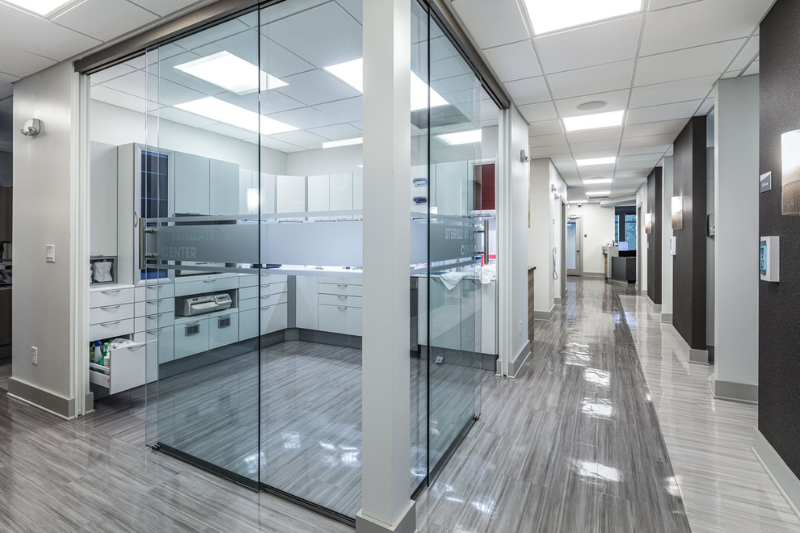
When it comes to shaping the ambiance and functionality of a space, two key professionals come to mind: interior designers and interior decorators. While often perceived similarly, these roles entail distinct responsibilities and skill sets that play crucial roles in transforming environments.
Interior Designer: Architects of Space
Interior designers act as architects for interiors. They possess expertise in architecture, spatial layouts, building codes, and construction processes. Their role involves conceptualizing, planning, and executing designs that not only enhance aesthetics but also optimize functionality and safety.
Key Responsibilities:
- Space Planning: Analyzing and optimizing the layout to enhance efficiency and usability.
- Technical Expertise: Ensuring designs comply with building codes and collaborating with architects and contractors.
- Concept Development: Creating cohesive designs integrating architectural elements, lighting, materials, and furnishings.
- Project Management: Overseeing budgets, timelines, and coordinating with tradespeople.
- Client Interaction: Understanding client needs and preferences to deliver personalized interiors.
Education and Training:
Most interior designers hold degrees in interior design or architecture and may be licensed or certified, with training in design principles and CAD software.
Interior Decorator: Stylists of Space
Interior decorators focus on aesthetics and décor, enhancing visual appeal through color schemes, furnishings, accessories, and decorative elements. They specialize in styling to create visually pleasing environments.
Key Responsibilities:
- Decor Selection: Curating furnishings, fabrics, artwork, and accessories aligned with client preferences.
- Color Consultation: Advising on color palettes, paints, and wall coverings for desired moods.
- Styling and Arrangement: Optimizing visual balance and focal points through furniture and accessories.
- Client Collaboration: Understanding client style preferences to personalize spaces effectively.
Education and Training:
While formal education isn’t always required, decorators often pursue courses or certifications in design principles and color theory, gaining expertise through hands-on experience.
Bridging the Gap:
While interior designers focus on structural elements and functionality, decorators add aesthetic finishing touches. Together, they transform spaces into personalized sanctuaries blending beauty with practicality.
Whether renovating or refreshing, understanding these roles helps choose the right professional. Opt for the technical precision of an interior designer or the creative flair of a decorator to ensure your space reflects your style and aspirations.